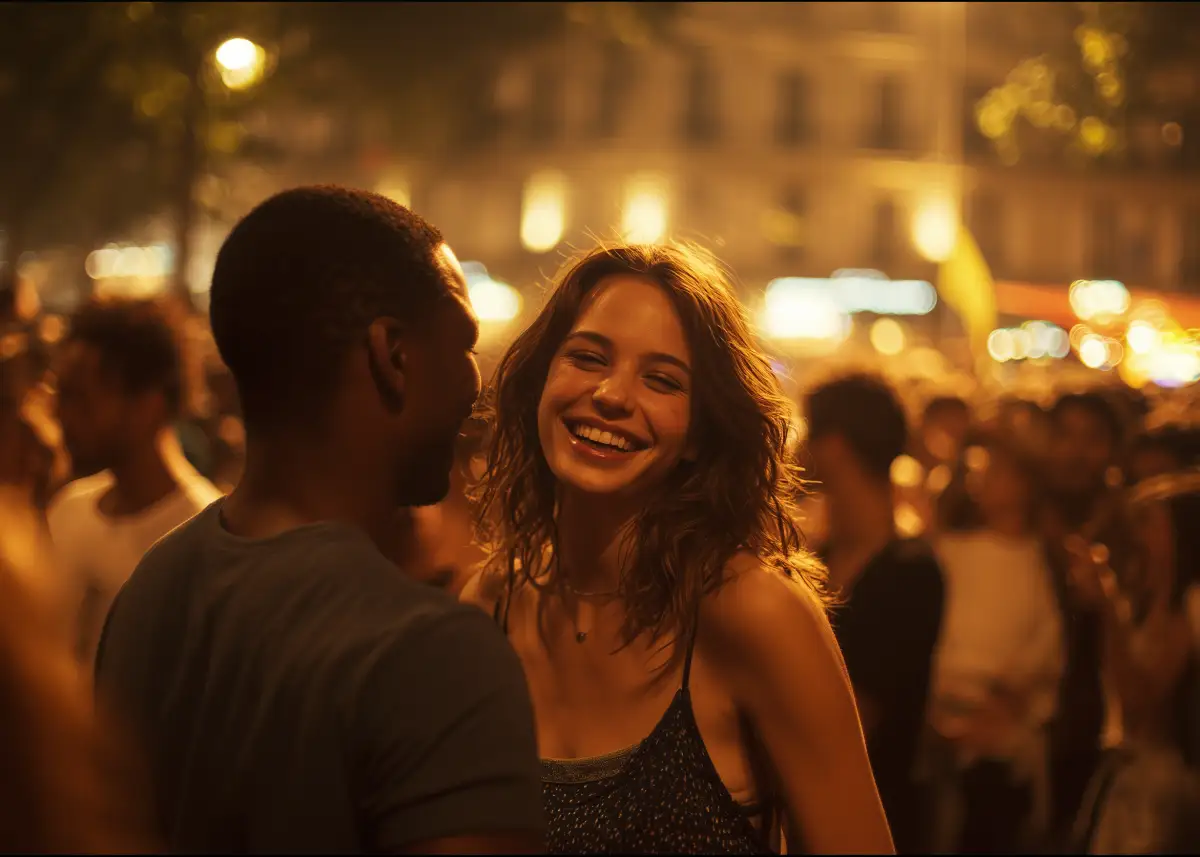
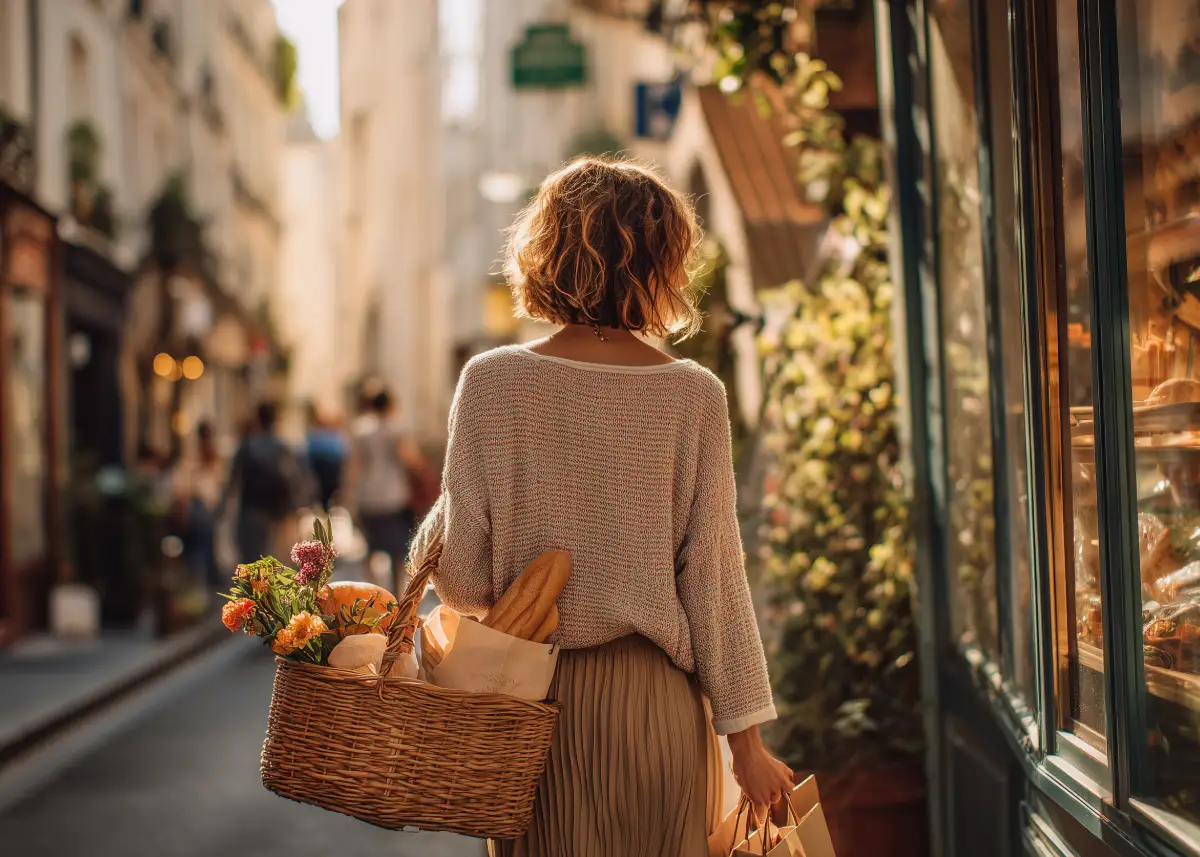
There is a cliché about Paris in August that deserves to be turned on its head: the city does not empty out, it changes. Parisians leave for the holidays, that is true — and that is precisely what makes the month so pleasant for those staying here. Lighter streets, museums you can visit without queuing for an hour, terraces that come alive until nightfall, and summer programmes everywhere. From Hôtel R de Paris, in the heart of the 9th arrondissement, all you have to do is choose your rhythm and let Paris reveal itself.
Museums: finally, some space
August is probably the best month to visit Paris’s major museums at a human pace. School groups are gone, queues are shorter, and the experience becomes what it should always be: contemplative rather than rushed.
- The Louvre: Wednesday and Friday late openings (until 9 pm) are the best summer slots — coach groups have gone off to dinner and the galleries begin to clear. Arrive from 6 pm to enjoy a genuine three-hour visit.
- Musée d’Orsay: Thursday and Friday mornings, right at opening time, remain the least crowded slots. Seeing the Impressionists without the crowds is a completely different experience.
- Smaller, quieter museums: August is also the ideal moment for more intimate places — the Musée Gustave Moreau, 8 minutes on foot from the hotel, the Musée de la Vie Romantique, Musée Carnavalet and the Bourse de Commerce. These addresses do not always receive the same attention as the big museums, but the visitor experience is often better.
- Good to know: 15 August (Assumption Day) is a public holiday, so some museums and shops operate on reduced hours. Check official websites in advance.
Landmarks: timing makes all the difference
The main landmarks are still busy in August — it is international high season, not a quiet local season. But the right time slot changes everything:
- The Eiffel Tower: sunrise (between 6 am and 8 am depending on the date) and late afternoon (after 5 pm) are the most pleasant times. Booking online is essential — queues without a reservation are long.
- Notre-Dame de Paris: reopened since late 2024, the cathedral is still in very high demand. Aim for weekday openings, early in the morning.
- Montmartre: on weekday mornings before 9.30 am, the neighbourhood regains its village feel. Sacré-Cœur and Place du Tertre without the crowds feel like another city.
Terraces, riverbanks and open air
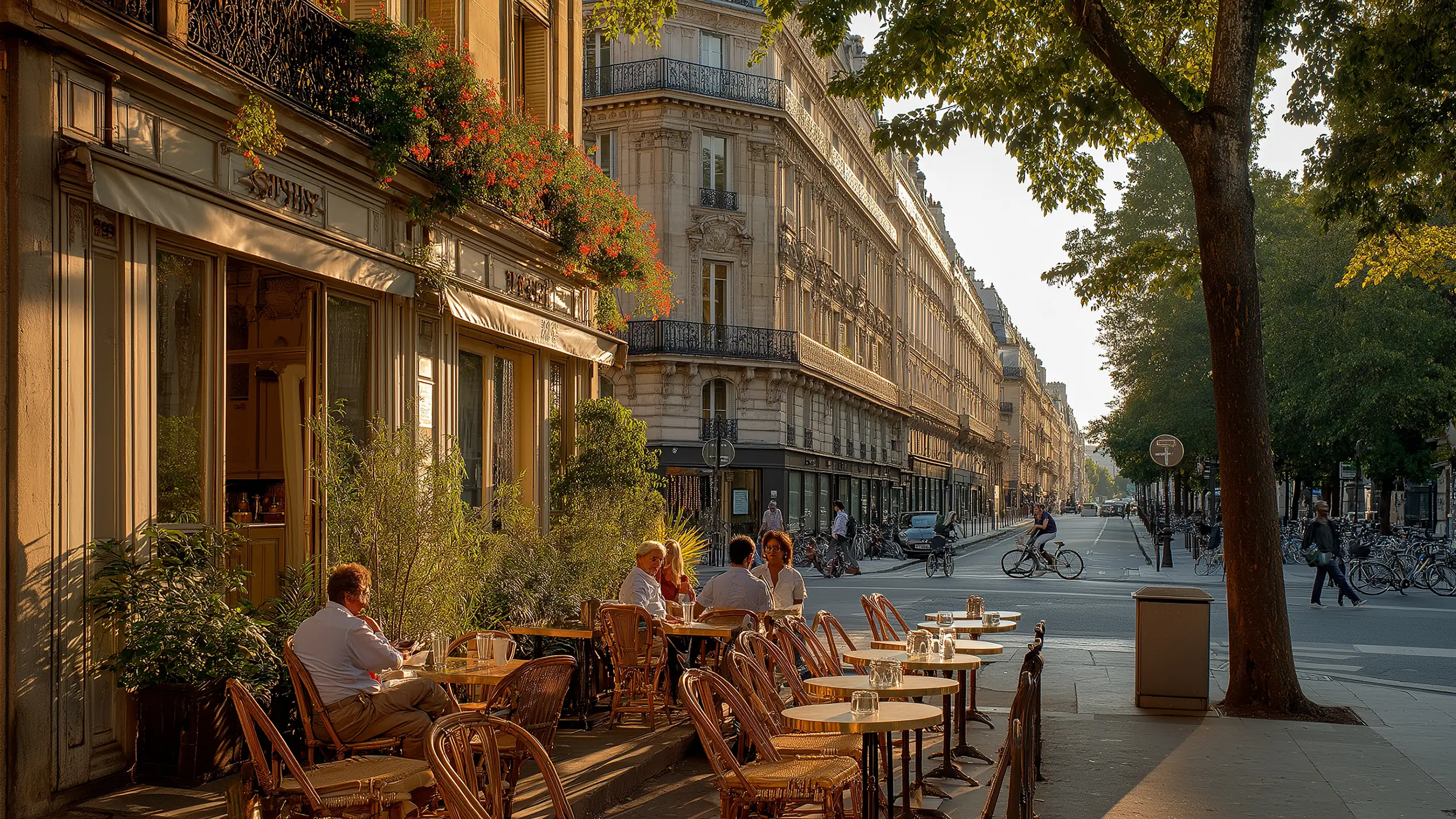
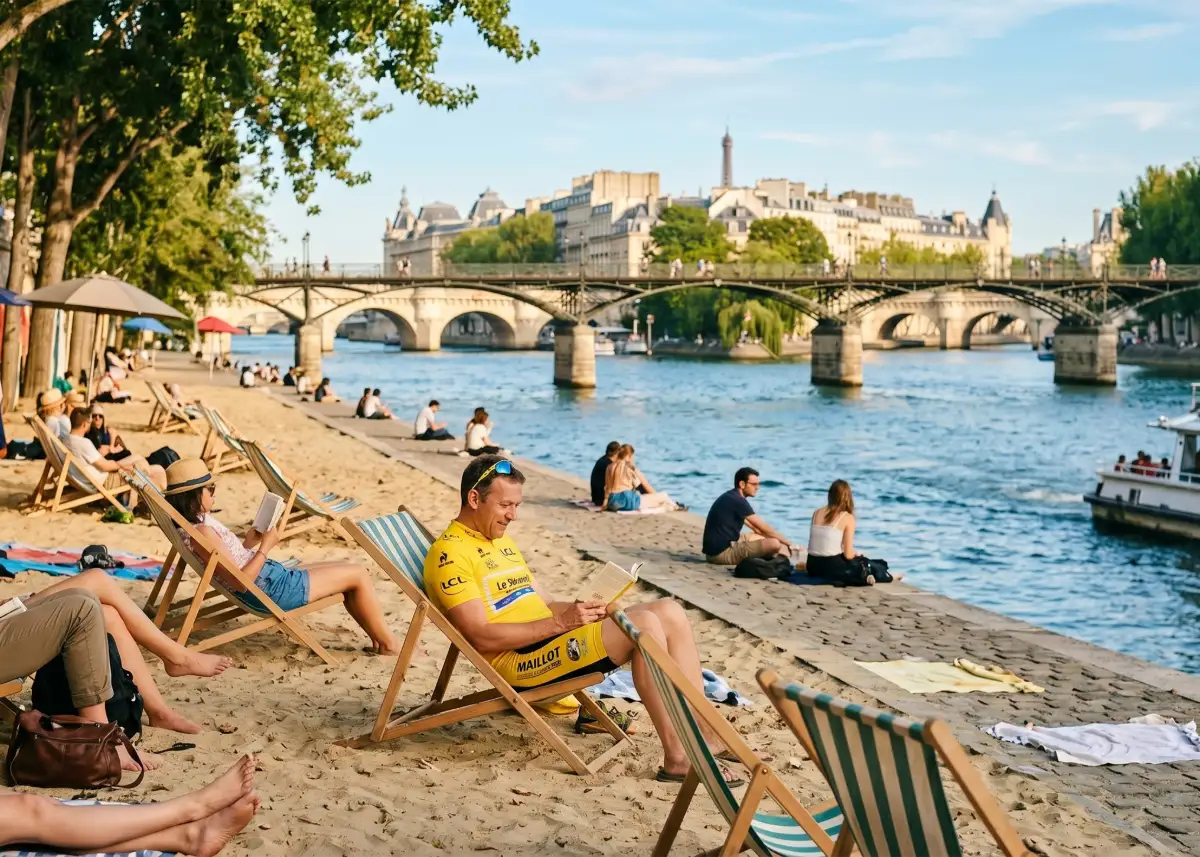
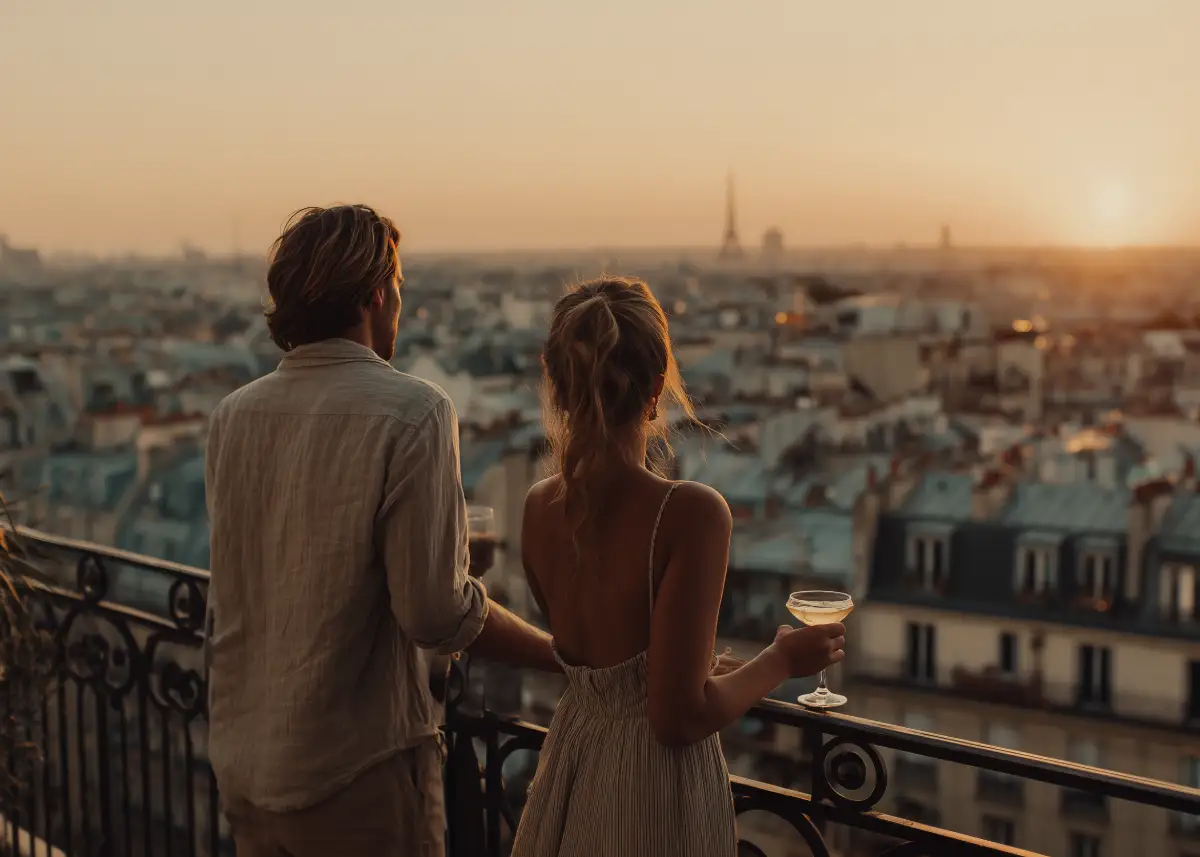
August is also, and above all, terrace season. The Seine riverbanks are permanently pedestrian- and bike-friendly. Parc de la Villette hosts its open-air cinema until the end of August. Versailles’ Grandes Eaux Nocturnes light up the gardens until September. The Tuileries funfair stays in place until late August. And nearby rooftops — Créatures (Galeries Lafayette), Perruche (Printemps) and Maggie (Hôtel Rochechouart) — are in full swing in the early evening.
For evening outings in the 9th arrondissement, our restaurants and bars guide lists good terrace and bar addresses around the hotel. In this season, the temporary terraces set up by neighbourhood cafés and restaurants (authorised from April to October) add yet another layer of atmosphere.
What stays open — and what closes
One persistent myth about Paris in August is that all restaurants are closed. That is not true: some local bistros shut for two or three weeks, but busy addresses and major establishments remain open. The best habit is to check online or call the day before for very specific places.
Cabarets (Moulin Rouge, Crazy Horse, Paradis Latin) keep running all summer. Olympia, Folies Bergère and Mogador usually still have shows on the programme. And the neighbourhood terraces around Pigalle and rue des Martyrs are among the liveliest in the city in summer.
The 9th arrondissement in August: an ideal base
From Hôtel R de Paris, the 9th arrondissement is a particularly practical base in August. Less traffic, calmer streets, yet all the essentials — food shops, cafés, restaurants — still open. And direct connections, whether on foot or by transport, to every part of Paris. Our digital concierge is available to help you build your programme before and during your stay.