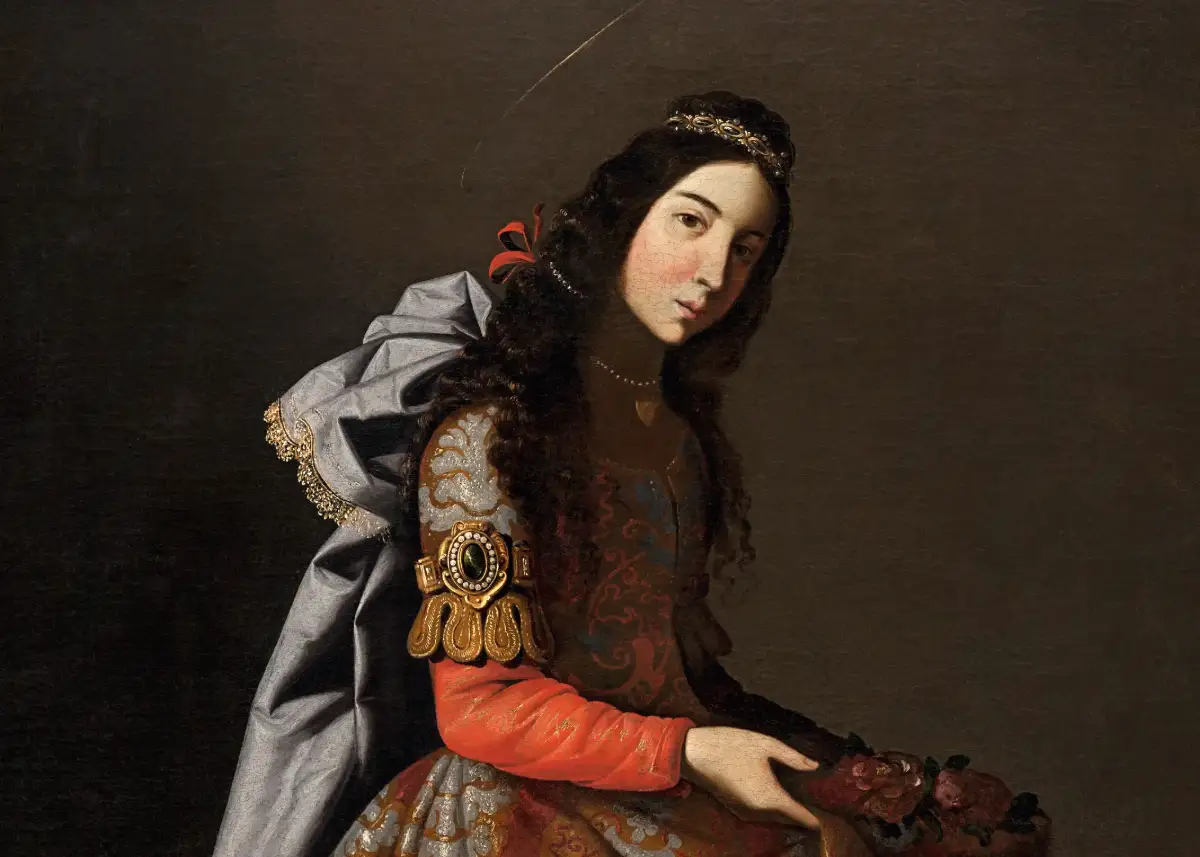





No French national museum has ever devoted a solo exhibition to Mary Cassatt. That changes on 6 October 2026: until 31 January 2027, the Musée d'Orsay presents "Mary Cassatt. L'indépendante", the first French retrospective of the American Impressionist painter (1844-1926), organised with the National Portrait Gallery in London and the Museum of Fine Arts, Boston.
Nearly four months on the bill, then: the exhibition spans the autumn, the Toussaint half-term break, the festive season and all of January. Expect some packed days and others far quieter. Here is what is known about the hang, what the entrance ticket costs, how the timed-ticket system works and how to reach the museum from the 9th arrondissement.
Why this retrospective matters
Mary Cassatt (1844-1926) is one of those artists whose name runs through the history of Impressionism without ever having headlined a French national museum on her own. That is exactly what the Musée d'Orsay is correcting: a monographic exhibition, entirely devoted to her work, the first of its kind in France.
It is organised with two foreign institutions, the National Portrait Gallery in London and the Museum of Fine Arts, Boston. This kind of co-production usually explains the scale of the loans secured: bringing together a body of work scattered between Europe and the United States requires partners on both sides of the Atlantic, and it is not easily put together a second time.
The title chosen by the museum, "L'indépendante" ("The Independent One"), signals the angle: less a place within a collective movement than a personal journey, kept at a distance from the categories in which painters of this generation are usually filed.
Eighty works, three techniques
The hang brings together around eighty works, split between paintings, pastels and prints. That is the whole point of a monographic show: following the same hand across techniques, seeing what she was pursuing in pastel and what she resolved differently in printmaking, rather than encountering two isolated canvases within a broader movement survey.
The scale stays reasonable, far from the marathon shows visitors abandon halfway through. One thing worth keeping in mind, though: the ticket also grants access to the museum's permanent collections. Many visitors carry straight on, and it would be a shame to rush through the Impressionist galleries. If the exhibition is part of a longer stay, our guide to the must-see sights of Paris helps spread visits over several days rather than cramming everything into one morning.
When to go, and at what price
- Dates: from 6 October 2026 to 31 January 2027.
- Opening hours: Tuesday, Wednesday, Friday, Saturday and Sunday from 9.30am to 6pm; late opening Thursday until 9.45pm; closed Monday.
- Prices: from €16 (prices to be confirmed on the museum's official ticketing site). Free for under-18s.
- Monthly free entry: free admission on the first Sunday of the month, though a time slot still needs to be booked.
- Address: 1 rue de la Légion d'Honneur, Paris 7th.
The Thursday late opening is the best window in the programme: after 6pm, evening light across the galleries, and footfall that drops once the office crowd has gone home. It is also the only slot that leaves the rest of the day free for something else.
Timed tickets, the real point to watch
The museum runs on timed tickets: visitors choose an entry day and time when buying their ticket through the Musée d'Orsay's ticket office. Booking a time slot is compulsory for groups of seven or more. For individual visitors it is strongly recommended: the on-site desks only sell whatever unreserved places remain for the day, rarely available once demand picks up. This arrangement is worth confirming directly with the museum before visiting.
A first-ever retrospective draws crowds, and this one opens right in the middle of the season's new exhibitions. Weekends, the Toussaint break and the festive period will account for most of the heavy traffic. The quietest slots are generally found on weekday mornings at opening time, 9.30am, or on Thursday evenings.
Getting to the museum from Rue de Clichy
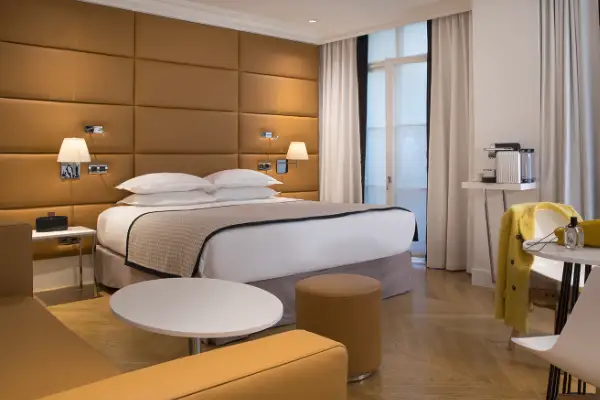
The Hôtel R de Paris is located at 41 rue de Clichy, a stone's throw from Gare Saint-Lazare (7 minutes on foot). From there, line 12 towards Mairie d'Issy reaches Solférino in three stops (Madeleine, Concorde, Assemblée Nationale), leaving about five minutes' walk to the museum entrance. Journey time has not been verified: the Île-de-France Mobilités journey planner gives the timing for the day, and it is worth leaving a margin when the entry slot is fixed in advance.
The same line 12 also stops at Trinité-d'Estienne d'Orves, another station in the neighbourhood, for those who would rather walk less at the start. On the way back from a late opening, a taxi or a booking app avoids the connection and standing for the journey: our pointers on getting around Paris summarise the options depending on the time of day.
The most important thing remains this: for an exhibition of this scale, it is the time slot chosen, even more than the date, that determines how comfortable the visit will be.