



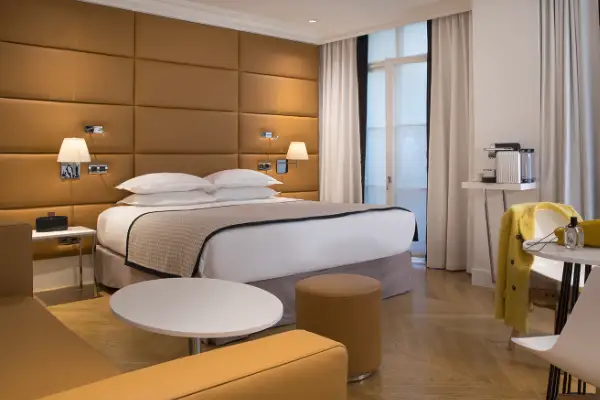



Getting around Paris is not complicated — but choosing the right mode of transport depending on the situation, the time and the destination does take a little perspective. From the Hôtel R de Paris, on rue de Clichy in the 9th arrondissement, you are just a short walk from Saint-Lazare station, several metro lines and major bus stops. Here is the practical guide to moving around Paris in 2026 without having to second-guess every journey.
The metro: the default choice, almost always
Fast, frequent and affordable, the metro remains the most efficient option for the vast majority of trips in Paris. In 2026, a single ticket costs €2.55 on a Navigo Easy card or on a smartphone. For stays of several days with many journeys, the travel passes are often better value:
- Navigo Liberté+: discounted pay-as-you-go pricing, billed at the end of the month according to the number of validated trips — ideal for regular use without commitment. Activate it on your Navigo Easy card.
- Navigo Week: unlimited travel in all zones from Monday to Sunday — useful if you are exploring Paris intensively over a week.
- Navigo Month: €90.80 for all zones in 2026 — mainly relevant for longer stays or residents.
- Paris Visite: unlimited pass for 1 to 5 days, including airport travel — practical for short tourist stays with many journeys.
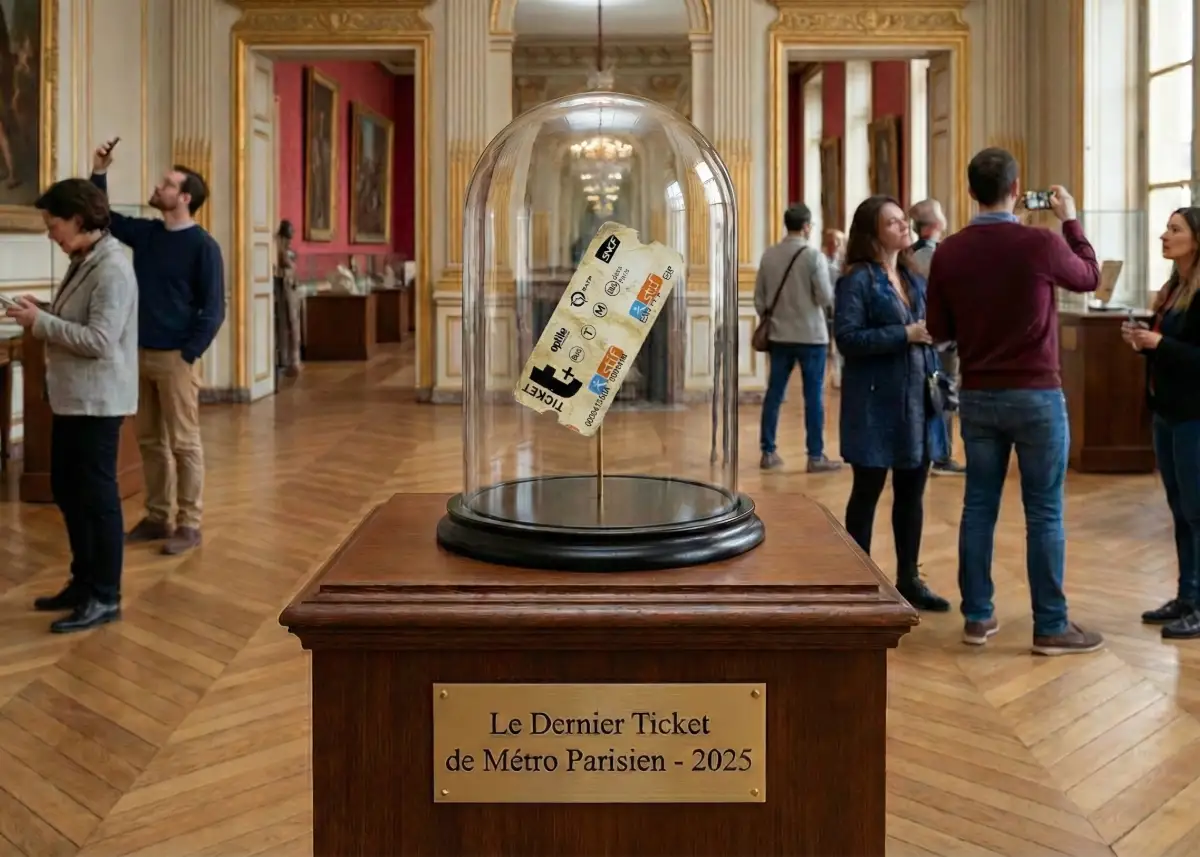
From the hotel, the most useful lines are metro line 2 (Place de Clichy), line 12 (Place de Clichy, Trinité, Saint-Lazare) and line 13 (Saint-Lazare, Liège). Saint-Lazare is 8 minutes away on foot and offers connections to the RER and mainline trains. For everything you need to know about buying tickets, available passes and up-to-date fares, see our practical guide to metro tickets in Paris.
Buses and Noctilien: for longer trips or getting back late
Buses reach places the metro does not, while also giving you a view of the city. The same RATP ticket at €2.55 is valid. The Noctilien night-bus network takes over after the metro closes — usually between 1 am and 5:30 am depending on the line. It is the natural fallback after a late concert at the Folies Bergère or a dinner that stretches past midnight. Navigo passes (Week, Month) are valid on Noctilien buses as well.