






A wallet that never turns up at the bottom of a bag, a phone left on the back seat of a taxi, a bag set down for one minute too long on a café chair: these things happen, even on a trip, and they are almost always easier to sort out than you fear in the moment. Most of the steps can now be handled from a phone or a computer, with no waiting room and no queue. Here is the order to follow, calmly, from your room.
The first few minutes: blocking your card comes before anything else
The first move has nothing to do with the police, but with your means of payment. The national interbank card-blocking line, 0 892 705 705, is open 24/7 and automatically redirects you to your bank's own blocking centre. It is a premium-rate number, but it is the quickest route when you do not have your branch's details to hand. There is no need to wait until you have filed a report: the card is blocked first, the declaration follows.
If you have been assaulted or feel in immediate danger, do not try to travel anywhere: dial 17, the police emergency line, or 112, the European emergency number valid across the whole Union, including for a theft or an assault.
Filing a police report without setting foot outside
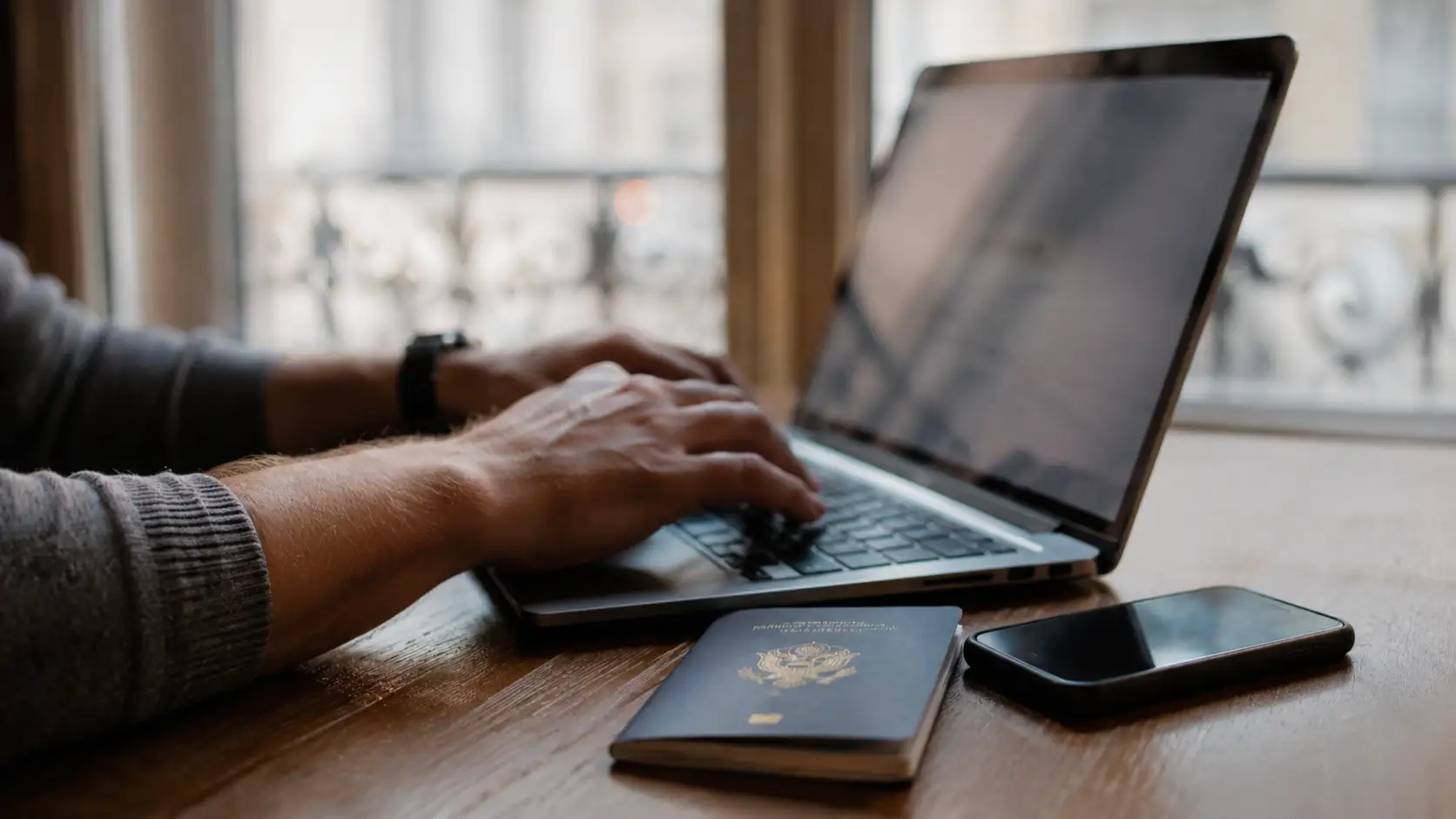
For a theft or damage where the person responsible is unknown, the report can be filed online, on the French Interior Ministry's platform. In most cases, there is no need to visit a police station at all. Depending on what you declare, an officer or gendarme may contact you afterwards to complete the statement in person: this is a normal follow-up to the procedure, not a bad sign.
One thing worth knowing before you start: identification for this platform requires a FranceConnect account. Without one recognised by the service, filing the report in person at a police station remains the normal route, and there is nothing daunting about it.
The Ma Sécurité app, free and published by the French Interior Ministry for iOS and Android, brings together the same process along with a few handy tools: a secure chat with a police officer or gendarme available 24/7, a map of police stations and units, prevention tips, and useful phone numbers. For a short stay, it is the simplest shortcut.
Identity papers: loss and theft do not follow the same path
The distinction is clear-cut. In the case of the theft of a French national ID card or passport, a police report is filed before starting any renewal process. In the case of a simple loss, no prior report is required: the declaration is made directly at the time of the renewal request.
The renewal itself starts with an online pre-application on France Titres, the ANTS (passeport.ants.gouv.fr), followed by an appointment at an authorised town hall, a slot that is best booked ahead of time. None of this needs to take up your stay: these formalities are best handled at a relaxed pace, once you are back home.
Lost foreign passport: your consulate comes first
If you are travelling on a foreign passport, the right contact is not the French administration but your embassy or consulate in Paris: it is the one that issues the certificate of loss or theft and, depending on the case, a temporary travel document. The official directory of foreign representations in France is published by diplomatie.gouv.fr. As procedures and timeframes vary from one country to another, a call to your consulate is worth more than any general advice.
In this situation, a report filed in France is only a supporting document for the file: useful to include, but it does not replace this step with your representation.
The 9th arrondissement police station, about twenty minutes on foot
When an in-person visit is still needed, the police station for the neighbourhood is the 9th arrondissement station, at 14 rue Chauchat, whose front desk is open 24/7. The national police phone line, 34 30, can advise on the practicalities before you set off. From 41 rue de Clichy, count on about 1.3 km: roughly twenty minutes on foot via rue de Châteaudun then rue Laffitte, eight to ten minutes by taxi or private hire car depending on traffic. Over such a short distance, the metro does not save any time, and our comparison of Paris transport options covers the alternatives in more detail.
If you need to come back to sign a formal statement, you will be offered an appointment: the published information points to a turnaround of roughly three to ten working days, subject to what you are told on site. That is no reason to rearrange your plans, since the essentials, the card block and the report, are already behind you.
What the front desk can take care of
An item forgotten in a taxi, a restaurant dining room, or a theatre nearby turns up more often than you would think. Stop by the front desk before setting off on your own: the team can help you make the calls and point you in the right direction. It is exactly the kind of morning where attentive, personal help really does make the day.
Our digital concierge also remains accessible from any phone, including a brand-new device with none of your usual favourites saved.
Finally, if your card or transport tickets went with your wallet, our practical guide to metro tickets explains where to buy more within minutes, just steps from the hotel.
A theft or a loss takes up a morning, rarely more: a card block, an online report, a call to the right contact. The rest of the stay carries on.