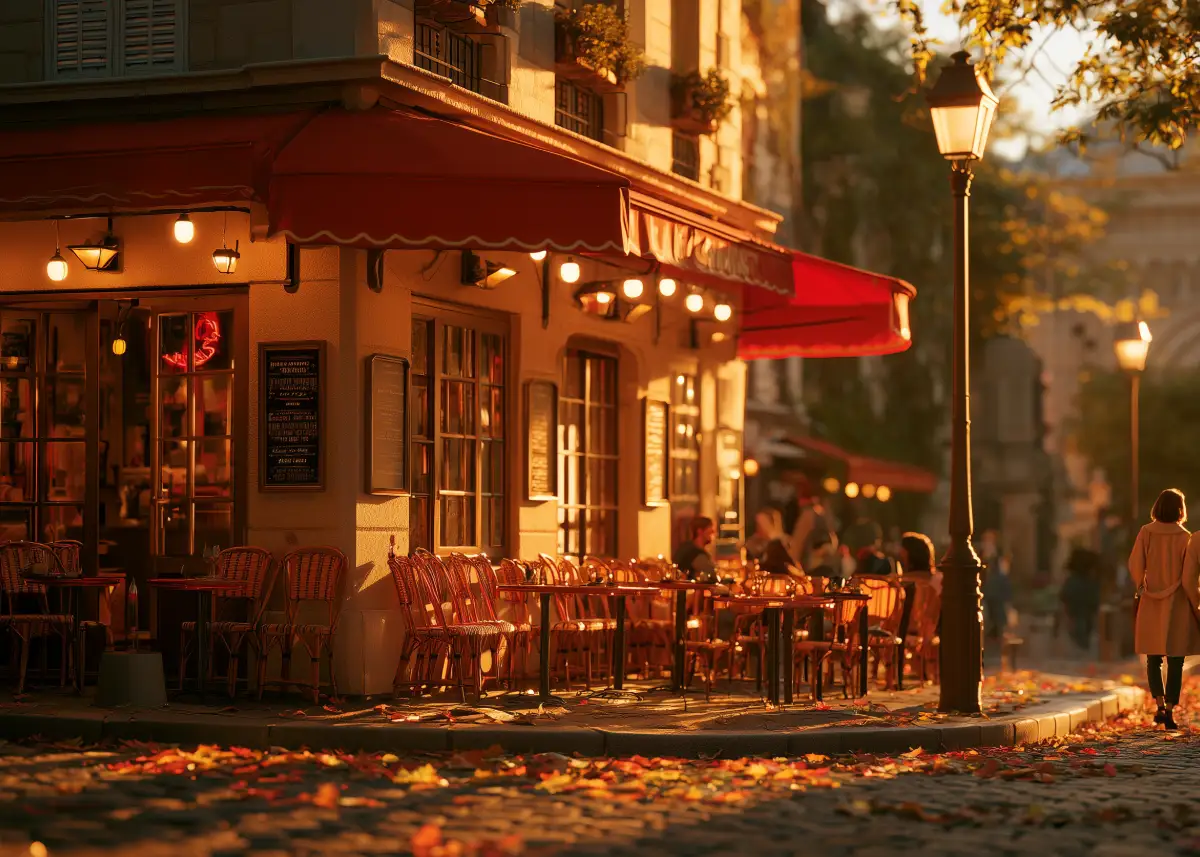
It takes two days to truly understand Paris’s 9th arrondissement — not just to cross it, but to understand it. Its five faces (Opéra, the Grands Boulevards, Nouvelle Athènes, Pigalle and South Pigalle) feel like distinct micro-neighbourhoods, each with its own atmosphere, addresses and rhythm. From Hôtel R de Paris on rue de Clichy, everything is within walking distance — no exceptions. Here is a two-day plan to make the most of it without rushing.
Day 1 — Opéra, the covered passages and the department stores
Morning: Palais Garnier
Start with the 9th arrondissement at its most monumental. Palais Garnier (place de l’Opéra, 9th arrondissement) is one of the most sumptuous buildings in Paris — a marble grand staircase, a foyer lined with gilded mirrors, and an Italian-style auditorium beneath Chagall’s painted ceiling. Self-guided visits are available outside rehearsals and performances, generally from 10 am to 5 pm. Book your ticket online to avoid queues. Allow 1 to 1.5 hours depending on your pace.
On your way out, take a moment to admire the perspective down avenue de l’Opéra towards the Louvre — one of the most striking vistas of Haussmannian Paris, deliberately left open so that no monument closes it off.
Late morning / lunchtime: the covered passages
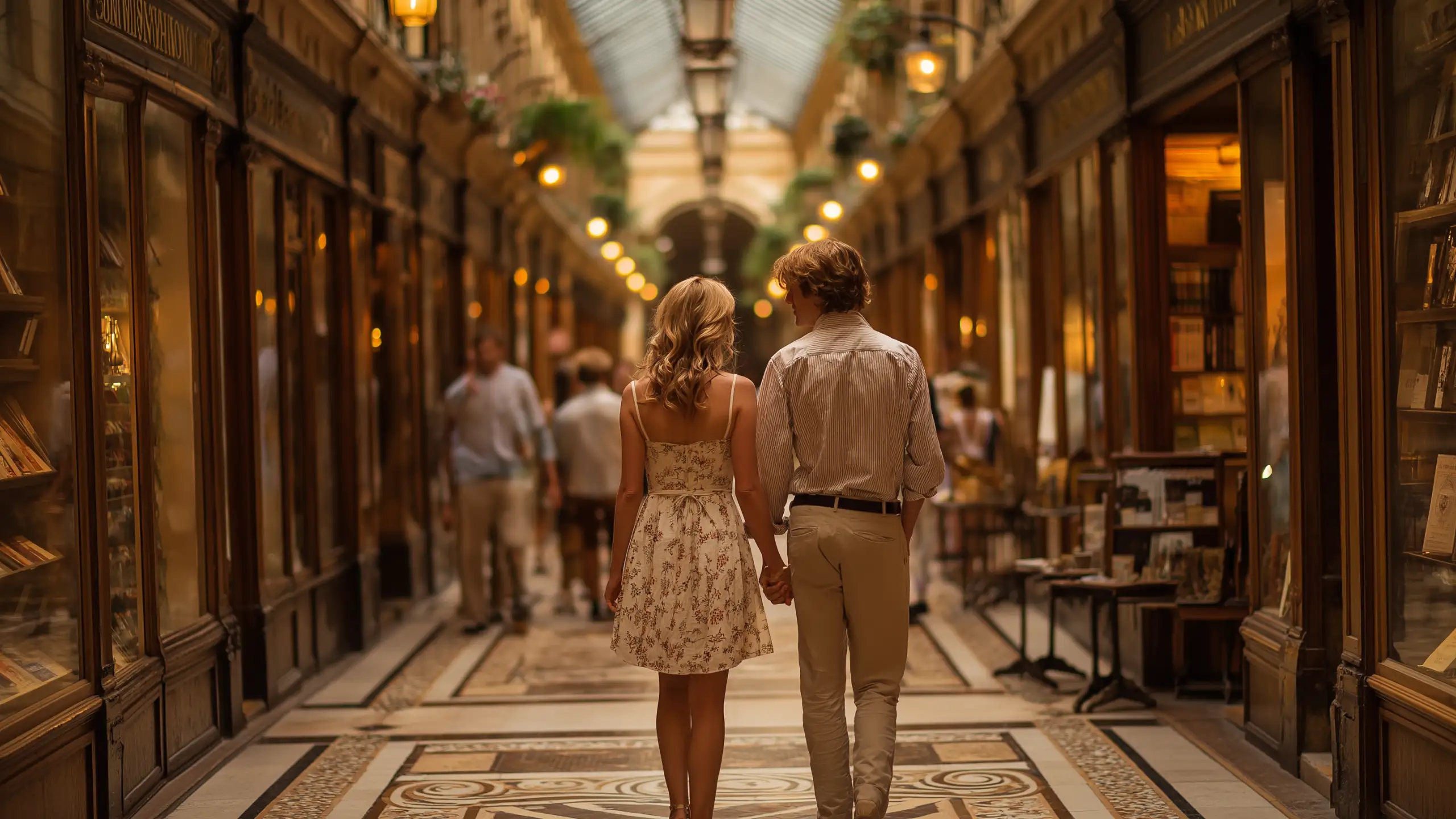
Two minutes north on foot, on boulevard Montmartre, step into Passage Jouffroy — the liveliest of the 9th arrondissement’s covered passages, built in 1847 in iron and glass, with mosaic flooring that is heated in winter. Specialist bookshops, vintage toys, a charming hotel tucked away at the end: the whole place feels suspended in time. Its continuation, Passage Verdeau, more discreet in spirit, is home to antique dealers, print sellers and comic-book booksellers.
A break is in order: there are several places to eat inside the passages or just beside them. It is also a good moment to walk back towards boulevard des Capucines and pass the façade of L’Olympia — the legendary concert hall opened in 1893, where Édith Piaf, Jacques Brel, the Beatles and the Rolling Stones have all performed.
Afternoon: Galeries Lafayette and Printemps Haussmann
Head for boulevard Haussmann and the two great temples of Parisian shopping. Even if you do not buy anything, two highlights are worth the detour for free: the Art Nouveau dome of Galeries Lafayette (free access, level 1), and the panoramic terrace on the rooftop — a 360° view over Paris, the Opéra, the Eiffel Tower and Sacré-Cœur, with no ticket and no reservation required. Printemps is also home to the Perruche rooftop on the 9th floor — if the weather is kind, it is the perfect time for a drink overlooking the Haussmann rooftops.
For more rooftops within walking distance of the hotel — Balcon (Galeries Lafayette), Maggie (Hôtel Rochechouart), Sequoia (Kimpton) — see our full selection of the best rooftops in the 9th arrondissement.
Evening: dinner in the neighbourhood
For your first dinner, the area offers several moods. On the hotel’s very own street: L’Ascension (67 rue de Clichy, chef Amar Chalal, formerly of Yannick Alléno), 3 minutes away on foot — instinctive market cooking with a short, highly polished menu. A little further on, Argile (4 rue de Milan, chef Romain Lamon), 2 minutes away — modern bistronomy in an intimate setting. For something more relaxed, the terraces along rue des Martyrs and place Gustave Toudouze come alive in the evening.
Day 2 — Nouvelle Athènes, Pigalle and rue des Martyrs
Morning: Nouvelle Athènes and the Gustave Moreau Museum
The second day begins differently. Take time to wander through Nouvelle Athènes — the 9th arrondissement at its most intimate and romantic. Starting from the hotel and heading south-east, walk up rue de La Rochefoucauld to the Gustave Moreau Museum (14 rue de La Rochefoucauld, 8 minutes on foot). The preserved house-studio of the Symbolist painter since 1898, with 25,000 works and a wrought-iron spiral staircase, it is one of the most singular museums in Paris. You can find all the practical information in our dedicated article on the Gustave Moreau Museum.
On the way back, pass through place Saint-Georges — cobbled, lined with neoclassical mansions, with the Dosne-Thiers Foundation at its centre. A few metres away, the Museum of Romantic Life (16 rue Chaptal) occupies the former home of painter Ary Scheffer: free permanent collections, a garden tea room and a distinctly 19th-century softness. Just next door, a plaque recalls that Serge Gainsbourg lived at 11 bis rue Chaptal in his early years.
A gourmet late morning: rue des Martyrs
From place Saint-Georges, continue up towards rue des Martyrs — the neighbourhood’s liveliest shopping and food street. Cheesemongers, artisan bakeries, wine merchants, delicatessens, caterers, florists… the street is best explored from bottom to top with no strict plan, stopping wherever a window catches your eye. A few names to note: Beillevaire (no. 48), La Chambre aux Confitures (no. 9), Landemaine (no. 26). For details and all the best addresses, our complete guide to rue des Martyrs lists the essential stops.
The street climbs up to place Gustave Toudouze — a small tree-lined square with café terraces, perfect for a coffee before moving on.
Afternoon: Pigalle and South Pigalle
Keep heading north and you slip into the world of Pigalle. Place Pigalle itself, at the crossroads of the 9th and 18th arrondissements, opens up in two directions: towards the foot of Montmartre (Sacré-Cœur is a 20-minute walk away), or towards South Pigalle (SoPi), the 9th arrondissement’s trendiest pocket today.
SoPi is the 9th arrondissement of the present day: inventive cocktail bars, natural-wine restaurants, vintage shops and music venues. Do not miss Terrain Duperré — the multicoloured basketball court tucked between two buildings on rue Duperré, one of Paris’s most surprising photo spots. Not far away, Cité du Midi — a flower-filled, peaceful little lane in the middle of Pigalle’s bustle — offers a few minutes of unexpected calm.
For the evening, the options are endless: a concert at La Cigale or Divan du Monde, dinner at one of SoPi’s new tables, or simply a drink on a terrace along boulevard de Clichy.
What this itinerary saves for next time
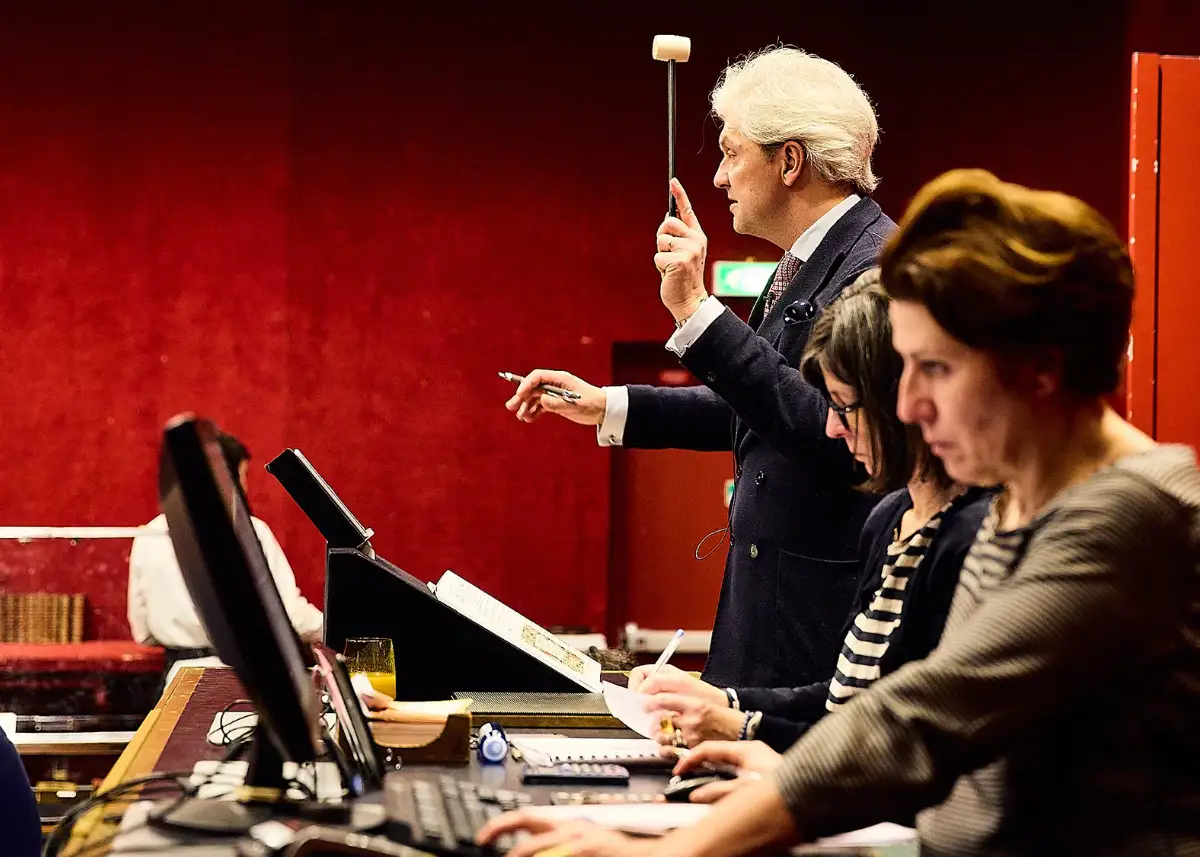
Two days in the 9th arrondissement is already a lot. Yet there is still Folies Bergère (rue Richer), the Théâtre du Gymnase, Drouot (Paris’s best-known auction house, a few minutes to the east), the Great Synagogue of Paris (rue de la Victoire), and the hundreds of addresses listed by our digital concierge, with filters, map view and direct links.